All case studies Real projectCase study 01 · Hospitality

A stay people came back for

Hotel ManagerHotel Paris · Punta del Este, Uruguay

How a three-star hotel competed with five-star properties in one of Latin America’s most exclusive destinations, on experience rather than budget, years before the internet and AI made any of it easier.

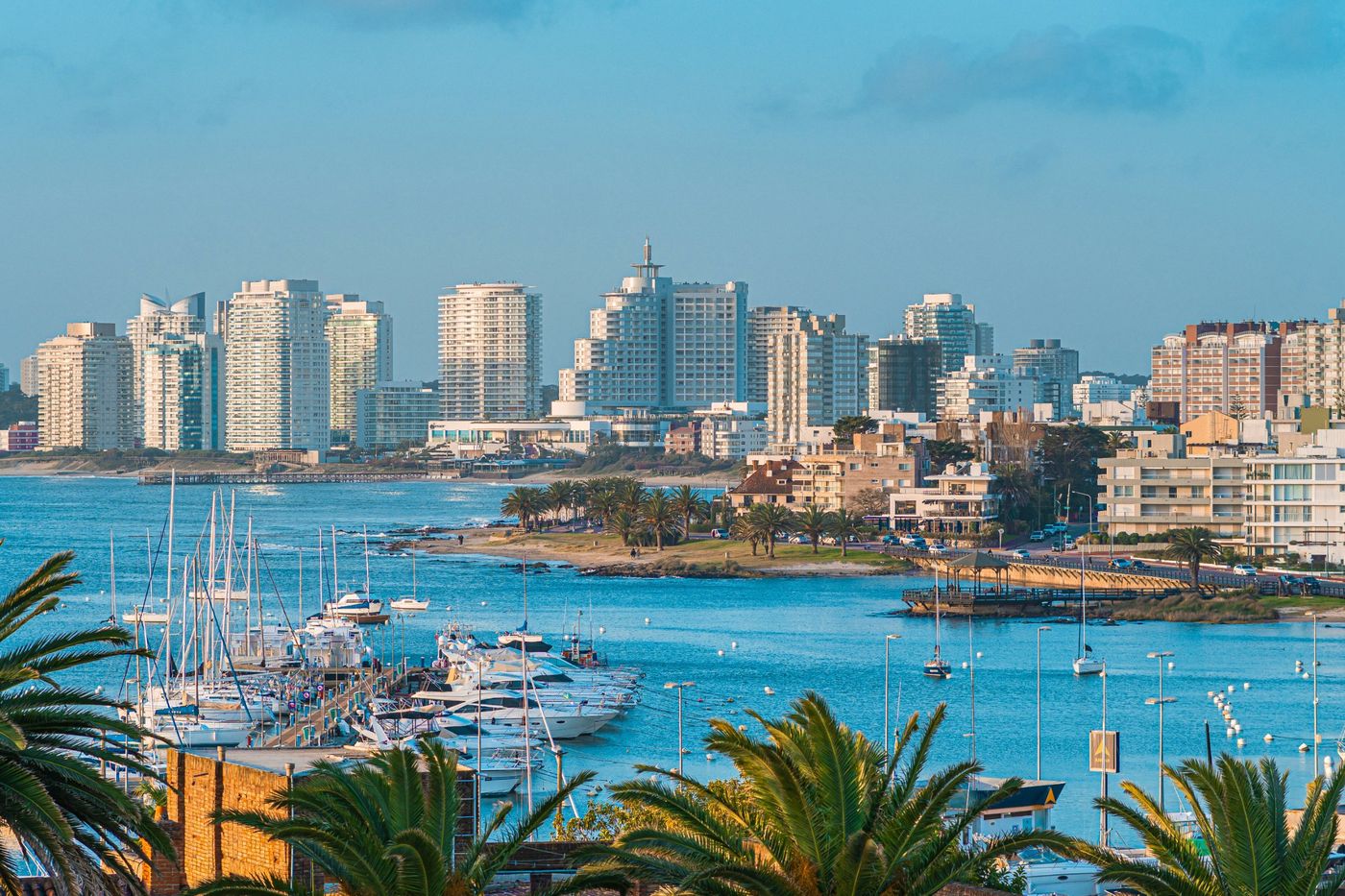
Punta del Este skyline and marina seen through palm trees, Uruguay
Role
Hotel Manager
Scope
Three-star hotel competing with five-star properties; the whole guest stay, front-of-house and back-of-house; seasonal team
Duration
12 summer seasons (Oct–Apr), 1995–2007
Outcome
50%+ of each season’s bookings from returning guests; ~40% of new guests by referral
The challenge

Stand out against bigger budgets

Hotel Paris was a three-star hotel in Punta del Este, one of Latin America’s most exclusive destinations, surrounded by five-star hotels with far bigger budgets. We couldn’t outspend them, so we had to out-design them.

The context

Before the internet took off, before AI

Between 1995 and 2007 the internet was only beginning and AI was science fiction. There were no online reviews, no CRM and no guest apps. We knew that, and designed the service on purpose to do the same jobs without the technology: people did what a platform would do today.

The jobThen, at Hotel ParisToday
Hearing every guestA 24/7 feedback loop, run by the team in personReviews, surveys and AI analysis at scale
Remembering each guestInsight carried from one stay to the next by the people who served themCRM and guest profiles
Personalising the stayPrepared by hand, down to the scent of the roomData-driven personalisation
Local recommendationsA front desk that acted as a local host, with partner businesses and guidesConcierge apps and booking platforms

The tools have changed; the principles haven’t. That is why I bring AI into customer experience as a way to listen at scale, with people still deciding what to do.
What I did

The whole stay, designed as one service

  1. 01Designed the stay front stage and back stage. Service choreography, housekeeping timing and sensory details, down to the scent of the rooms.
  2. 02Ran a 24/7 guest feedback loop. It caught issues early, so formal complaints were rare, and the same insight was used to personalise each stay.
  3. 03Prototyped new services. I turned the front desk into a local-host concierge, scaled through partnerships with local businesses and guides.
  4. 04Built a service culture. I led operations, staff, sales and marketing, safety compliance and finances, and trained the team in guest experience and concierge service.
The result

Guests came back, and brought friends

50%+of each season’s bookings came from guests who had stayed before
~40%of new guests came by referral

Nobody called it customer experience then. It was simply how we ran the hotel: listen to every guest, fix the cause, and make the next stay better.

The blueprint

Front stage, back stage, and what supports them

Choose a moment to follow it from what the guest sees to what makes it work.

GUESTFRONT STAGEBACK STAGESUPPORTLine of visibilityArriveArrives at the hotelWelcomed by a front deskthat acts as a local hostRooms prepared to thelast detail, down tothe scentService choreographyand standardsStayStays and exploresPunta del EsteConcierge with localbusinesses and guides;issues solved 24/7Housekeeping timedaround each guestTeam trained in guestexperience and conciergeDepartChecks outFeedback capturedbefore leavingFeedback reviewed,root causes fixedPartnerships with localbusinesses and guidesReturnReturns next season,or sends a friendStay personalised fromwhat we learned last timeGuest insight keptfor the next stayNew servicesprototyped and tested

The whole stay. Every moment was designed front stage and back stage, and supported by standards, training and local partnerships.

Reconstructed service blueprint, drawn for this case study from how the hotel was run. It is not an original working document.
More case studies

Building a customer experience team? Let's talk.